Mindfulness Microlearning Course
Interactive eLearning Module | Articulate Storyline
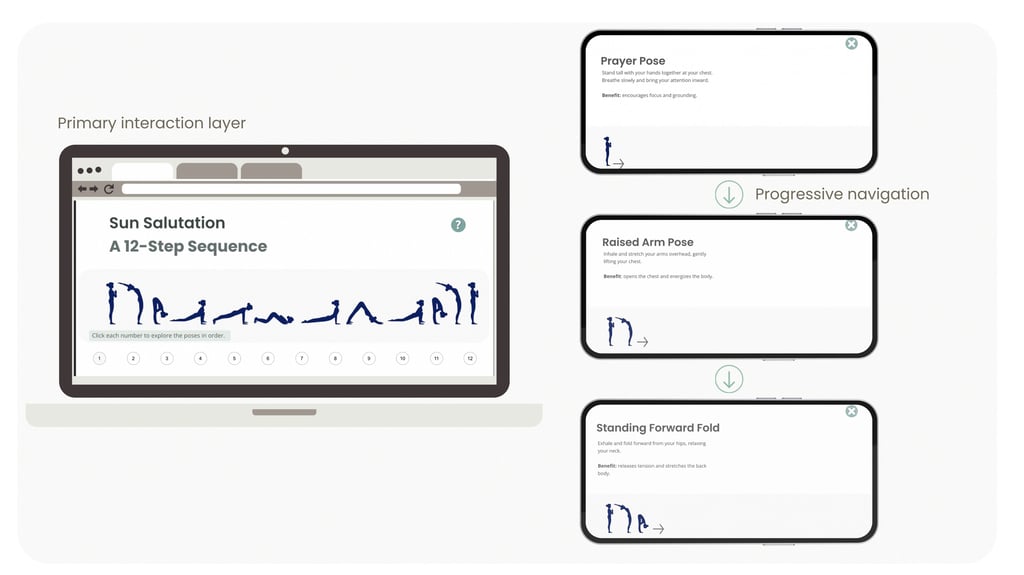
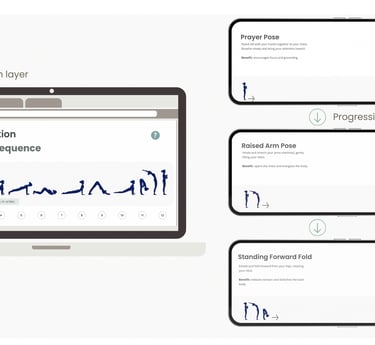
This mindfulness microlearning module was designed to introduce learners to simple, accessible practices that support emotional regulation, body awareness, and stress reduction. The course combines visual storytelling, guided movement, and reflective learning to create a calm, engaging digital experience.
The module centers on the Surya Namaskar (Sun Salutation) sequence, presented through an interactive 12-step exploration that allows learners to move through poses at their own pace. Each pose includes clear instructions, benefits, and optional audio guidance, supporting both novice and experienced learners.
⭐ Design Goal
The goal of this project was to design a short, self-paced learning experience that:
Encourages mindfulness through movement and breath awareness
Supports learner autonomy and gentle exploration
Demonstrates how emotional wellness content can be delivered through interactive eLearning
Creates a visually calming environment aligned with mindfulness principles
⭐ Instructional Approach
This module uses several instructional design strategies:
Microlearning: Short, focused learning segments to reduce cognitive load
Scenario-based interaction: Learners explore poses step-by-step in a guided sequence
Multimodal learning: Visual poses, text guidance, and optional audio support
Self-directed navigation: Learners control pacing and sequence exploration
Trauma-informed design principles: Calm color palette, minimal cognitive demands, and supportive language
⭐ Interaction Design
Key interactions include:
Click-to-explore pose navigation
Layer-based pose detail screens
Audio mute/unmute control for learner comfort
Hover and selected states to guide exploration
Progressive disclosure to prevent overwhelm
⭐ Visual Design Strategy
The visual design emphasizes calmness, clarity, and accessibility:
Soft, nature-inspired color palette
Generous whitespace to support cognitive ease
Minimalist typography to reduce visual noise
Subtle microinteractions that reinforce user agency
Consistent iconography and pose silhouettes
⭐ Tools Used
Articulate Storyline
Canva (visual asset refinement)
Audio editing tools
Interaction design using triggers, layers, and states
⭐ Reflection
This project demonstrates my ability to design learning experiences that balance instructional rigor with emotional sensitivity. It also highlights my interest in creating wellness-focused learning solutions that support learner autonomy, accessibility, and engagement.
⭐ Design Goal
The goal of this project was to design a short, self-paced learning experience that:
Encourages mindfulness through movement and breath awareness
Supports learner autonomy and gentle exploration
Demonstrates how emotional wellness content can be delivered through interactive eLearning
Creates a visually calming environment aligned with mindfulness principles
⭐ Instructional Approach
This module uses several instructional design strategies:
Microlearning: Short, focused learning segments to reduce cognitive load
Scenario-based interaction: Learners explore poses step-by-step in a guided sequence
Multimodal learning: Visual poses, text guidance, and optional audio support
Self-directed navigation: Learners control pacing and sequence exploration
Trauma-informed design principles: Calm color palette, minimal cognitive demands, and supportive language
⭐ Interaction Design
Key interactions include:
Click-to-explore pose navigation
Layer-based pose detail screens
Audio mute/unmute control for learner comfort
Hover and selected states to guide exploration
Progressive disclosure to prevent overwhelm
⭐ Visual Design Strategy
The visual design emphasizes calmness, clarity, and accessibility:
Soft, nature-inspired color palette
Generous whitespace to support cognitive ease
Minimalist typography to reduce visual noise
Subtle microinteractions that reinforce user agency
Consistent iconography and pose silhouettes
⭐ Tools Used
Articulate Storyline
Canva (visual asset refinement)
Audio editing tools
Interaction design using triggers, layers, and states
⭐ Reflection
This project demonstrates my ability to design learning experiences that balance instructional rigor with emotional sensitivity. It also highlights my interest in creating wellness-focused learning solutions that support learner autonomy, accessibility, and engagement.
The Problem
Employees in a multinational business setting were struggling with professional email communication in English. Messages were often unclear, overly casual, or missed important business etiquette, leading to misunderstandings, delays, and reduced confidence among staff.
The Solution
I designed and facilitated a structured instructor-led training (ILT) program that built confidence and skill in writing effective professional emails in English. The course included:
Clear models of effective business email structure (openings, closings, tone).
Guided practice with real workplace examples.
Peer and instructor feedback on rewritten emails.
Reflection activities to help learners transfer skills into daily communication.
Outcome
Participants gained practical strategies for improving clarity, tone, and professionalism in email communication. The training strengthened workplace collaboration and provided employees with a toolkit they could immediately apply to their day-to-day communication.